Trekking is a thrilling and adventurous activity that allows us to explore and conquer some of the most breathtaking and challenging terrains around the world. One such trail that epitomizes both excitement and danger is Angel’s Landing. Located in Zion National Park, Utah, Angel’s Landing is renowned as one of the riskiest trails in the world. In this article, we will delve into the unparalleled beauty of Angel’s Landing, the unique challenges it poses, and the necessary precautions to undertake before setting foot on this treacherous trail.
The Magnificence of Angel’s Landing
A Natural Marvel
Angel’s Landing is a towering monolith that pierces the sky and captivates the hearts of adventurers and nature enthusiasts alike. It stands at an elevation of 1,488 feet and offers panoramic views of the deep, rugged canyons and red sandstone cliffs that define Zion National Park. The trail itself is a masterpiece of nature, with stunning rock formations, narrow passages, and vertigo-inducing drop-offs that constantly remind trekkers of the risks involved.
Unparalleled Views
As you conquer the challengHimalayan trekking in Nepalg ascent, you will be rewarded with awe-inspiring vistas that seem straight out of a postcard. From the summit of Angel’s Landing, you can observe the vastness of Zion National Park, the snaking Virgin River, and the distant mountains that paint a picture of divine grandeur. These views are unparalleled, offering a unique perspective of the beauty and vastness of the natural world.
Facing the Risks: The Perils of Angel’s Landing
Exposed and Precarious Pathways
One of the defining features of Angel’s Landing is the narrow and exposed pathways that require hikers to tread with caution. The trail is flanked by sheer drop-offs on either side, leaving no room for error. With a width of barely a couple of feet in some sections, trekkers must exercise extreme caution to maintain their balance and avoid the potentially fatal consequences of a misstep.
The Infamous Chain Section
The most notorious section of Angel’s Landing is the chain section, which marks the final stretch towards the summit. This segment requires trekkers to navigate a series of steep and slick rock surfaces while clutching onto anchored chains for support. The combination of vertigo-inducing heights, slippery terrain, and the reliance on chains for stability makes it a heart-stopping experience for even the most seasoned adventurers.
Challenging Weather Conditions
In addition to the natural risks associated with Angel’s Landing, trekkers must also contend with the unpredictable and challenging weather conditions of Zion National Park. Summers can be scorching, with temperatures exceeding 100°F (38°C), while winters bring freezing temperatures, heavy snowfall, and icy trails. It is crucial to plan your visit to Angel’s Landing based on the prevailing weather conditions and exercise caution during adverse weather events.
Preparing for the Ultimate Adventure
Physical Fitness and Endurance
Conquering Angel’s Landing requires more than just the desire to experience an adrenaline rush. It demands physical fitness and endurance to navigate the challenging terrain and overcome the strenuous ascent. Engaging in regular cardiovascular exercises, strength training, and hiking practice on less challenging trails can significantly improve your chances of successfully completing the trek.
Proper Gear and Equipment
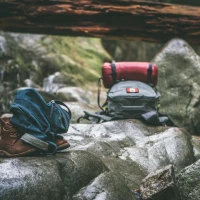
Before embarking on this adventure, it is essential to equip yourself with the right gear and equipment. Start with sturdy and comfortable hiking boots that provide excellent traction and ankle support. Additionally, invest in appropriate clothing to protect yourself from the elements, including lightweight and breathable layers for summers, and warm and waterproof clothing for winters. A well-fitted backpack should carry essential items such as water, snacks, a first aid kit, a map, a compass, and other necessary equipment.
Knowledge and Research
Adequate knowledge and detailed research about the trail are instrumental in ensuring a safe and enjoyable trekking experience on Angel’s Landing. Familiarize yourself with the route, including known hazards, trail conditions, and any recent updates or closures. Consult reliable resources such as guidebooks, online forums, and official park websites to gather accurate and up-to-date information before your visit.
Safety First: Precautions and Guidelines
When venturing into the dangerous territory of Angel’s Landing, prioritizing safety is non-negotiable. Here are some essential precautions and guidelines to follow:
- Start the hike early in the morning to avoid crowds and to allow ample time for the ascent and descent.
- Check weather forecasts and trail conditions before heading out. Avoid hiking during thunderstorms, heavy rain, or snowstorms.
- Stay on designated trails and avoid veering off the path. The fragile desert ecosystem of Zion National Park must be respected and preserved.
- Stay hydrated by carrying an adequate water supply and replenishing it at the available water sources along the trail.
- Take frequent breaks to rest and catch your breath. Pushing yourself beyond your limits can lead to exhaustion and impair decision-making abilities.
- Maintain a safe distance from the edge of cliffs and avoid engaging in any risky behaviors that may compromise your safety or the safety of others.
Comparing Angel’s Landing with other Treacherous Trails
To provide a broader perspective on the risks and challenges posed by Angel’s Landing, let’s compare it with two other renowned treacherous trails: Huayna Picchu in Peru and Mount Hua in China.
| Trail | Location | Elevation | Width | Primary Challenge |
|---|---|---|---|---|
| Angel’s Landing | Zion National Park, Utah, USA | 1,488 feet | Narrow and exposed | Exposed pathways and the infamous chain section |
| Huayna Picchu | Machu Picchu, Peru | 8,924 feet | Steep and narrow stairs | Precarious stairs and steep ascent |
| Mount Hua | Huayin, China | 7,087 feet | Vertiginous cliffs | Cliffside plank walk and narrow pathways |
While all three trails are known for their treacherous nature, Angel’s Landing stands out for its unique combination of exposed pathways, challenging terrain, and the gripping chain section.
Conclusion
Venturing onto the world’s riskiest trails, such as Angel’s Landing, is an awe-inspiring yet inherently perilous endeavor. The unparalleled beauty and breathtaking views offered by Angel’s Landing come at a price: the need to overcome exposed pathways, navigate the infamous chain section, and face unpredictable weather conditions. With diligent preparation, physical fitness, and adherence to safety guidelines, the daring trek to Angel’s Landing can be conquered. However, it is essential to approach this adventure with utmost respect for the natural elements and the risks involved. Dare to take on Angel’s Landing, and you will be rewarded with an unforgettable experience that pushes the boundaries of both your physical and mental capabilities.